

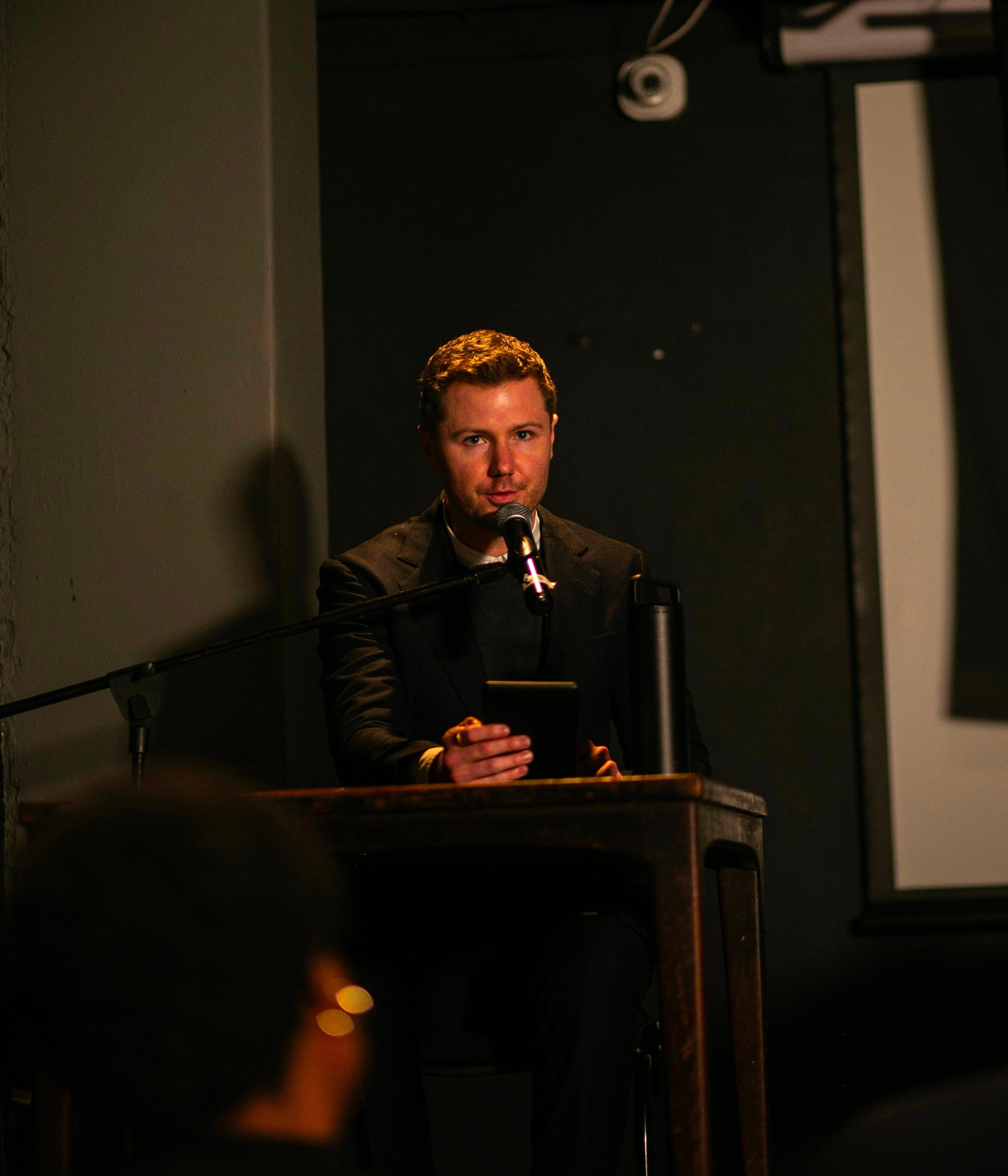
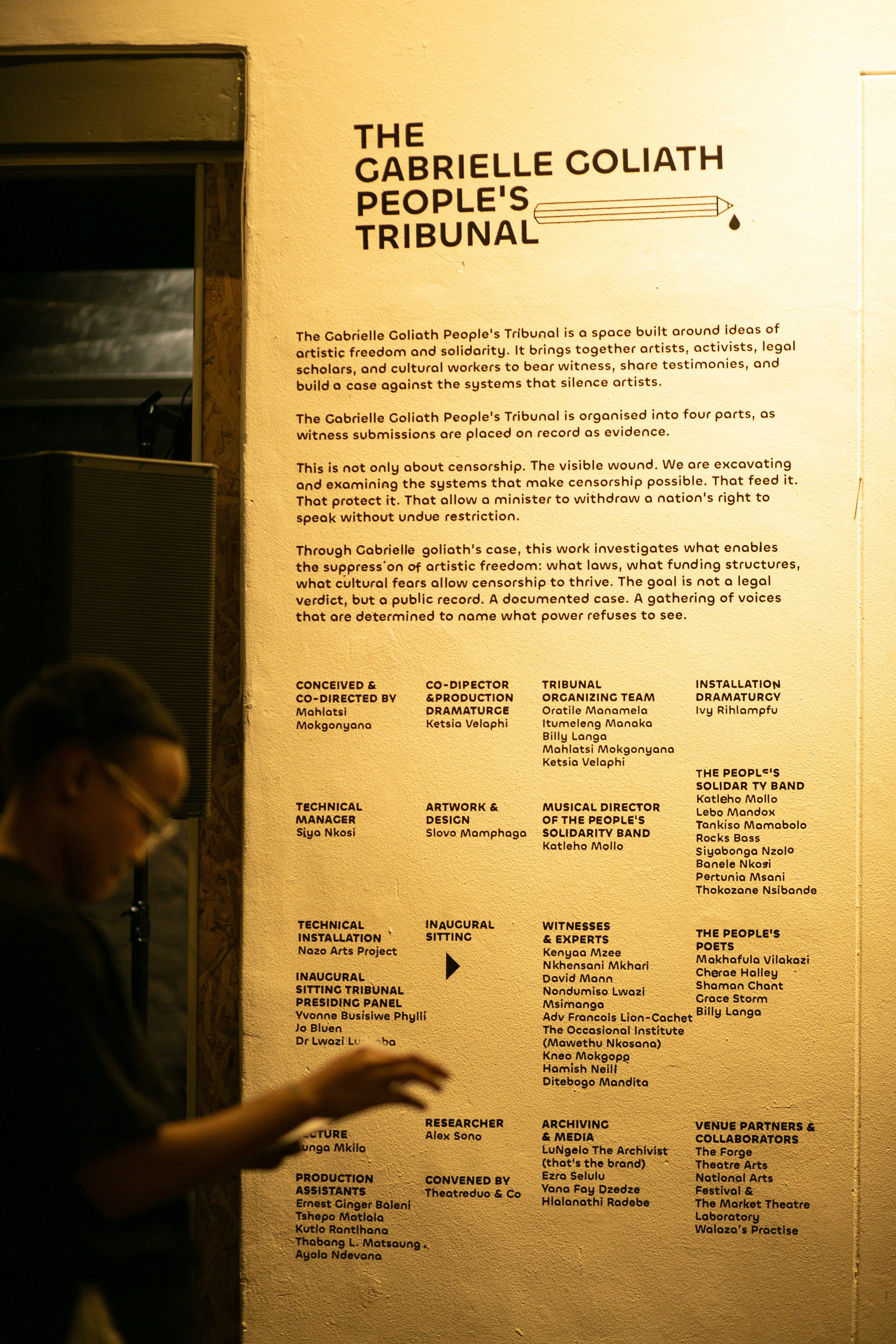
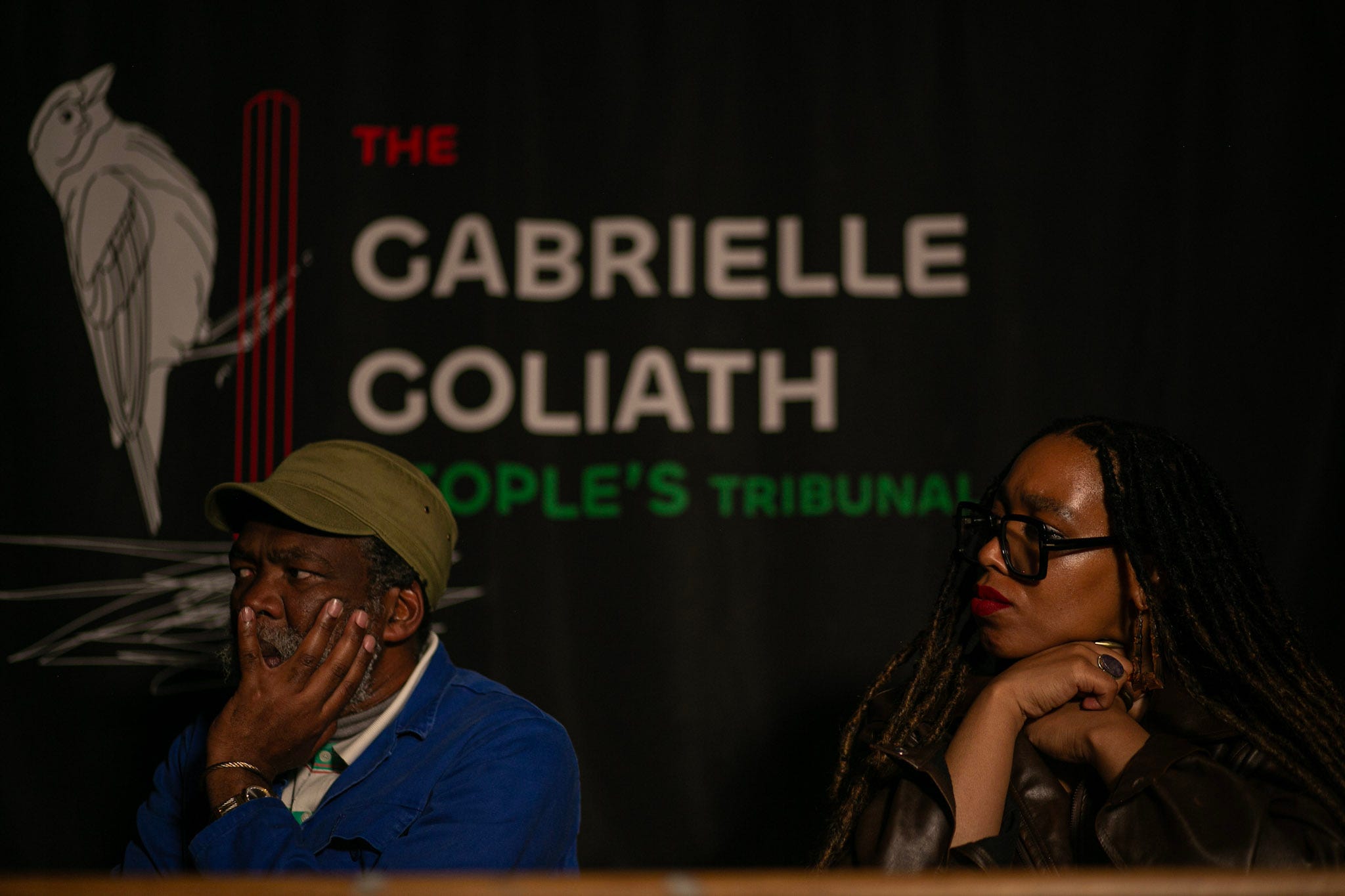
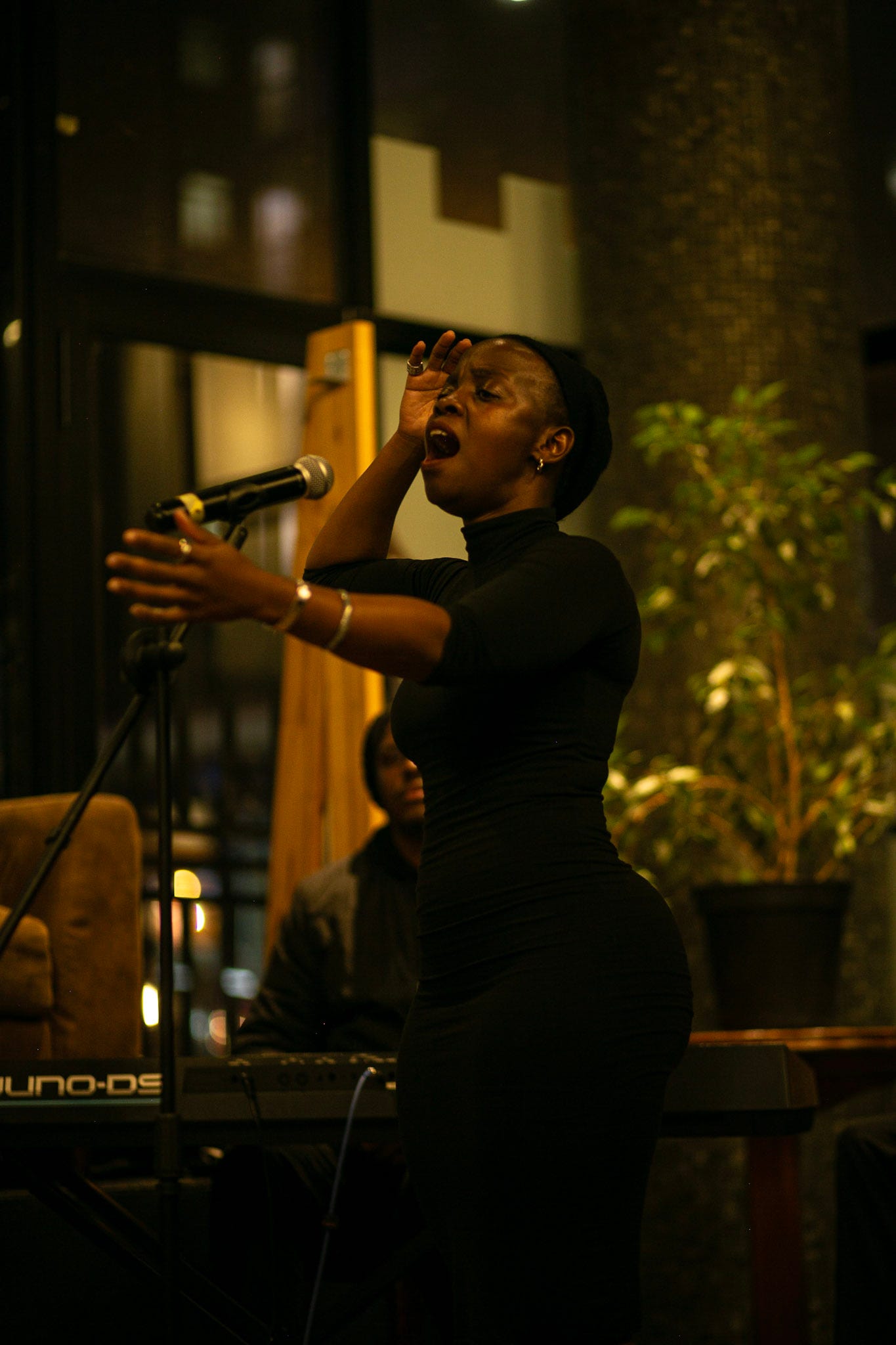
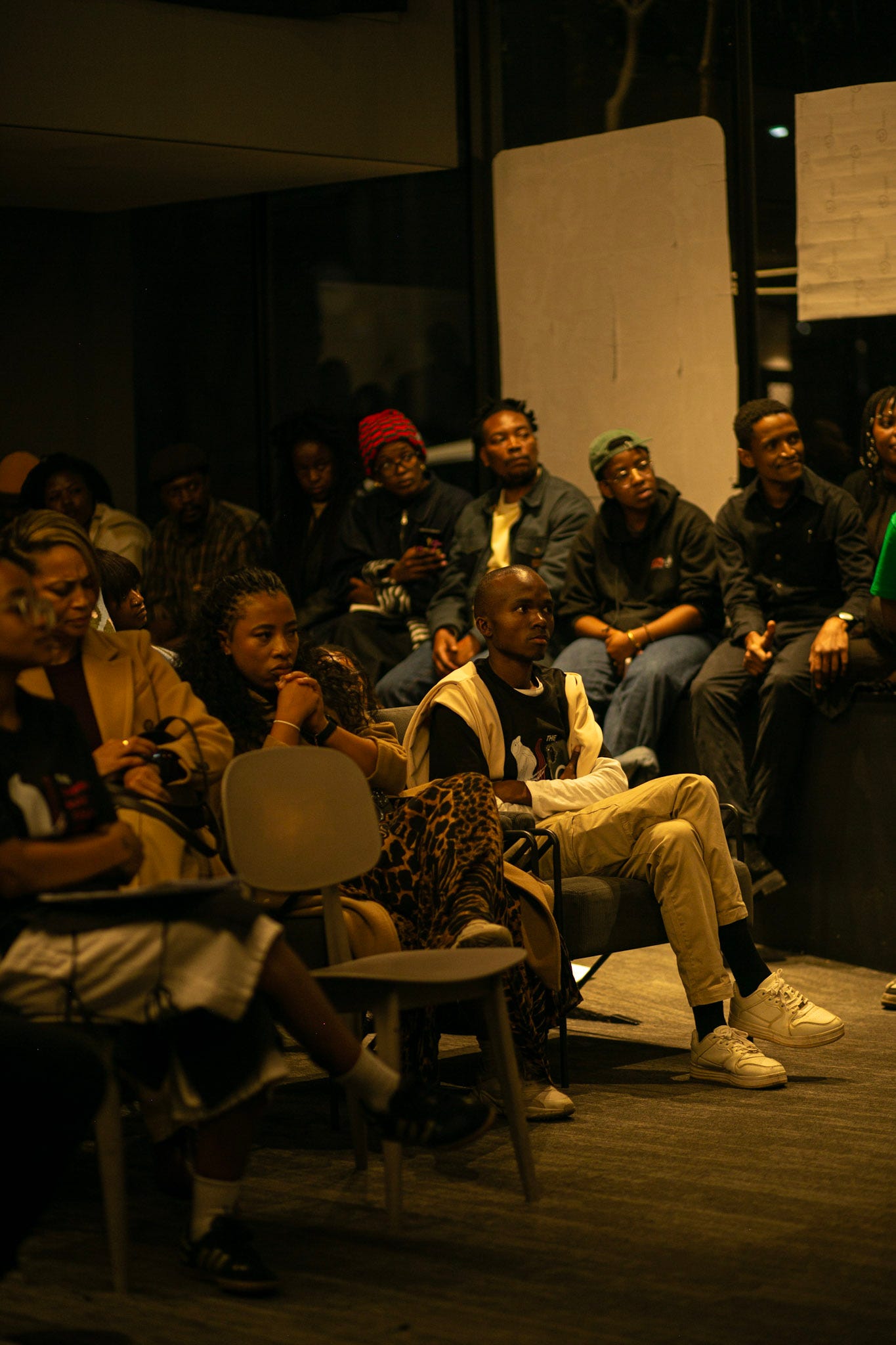
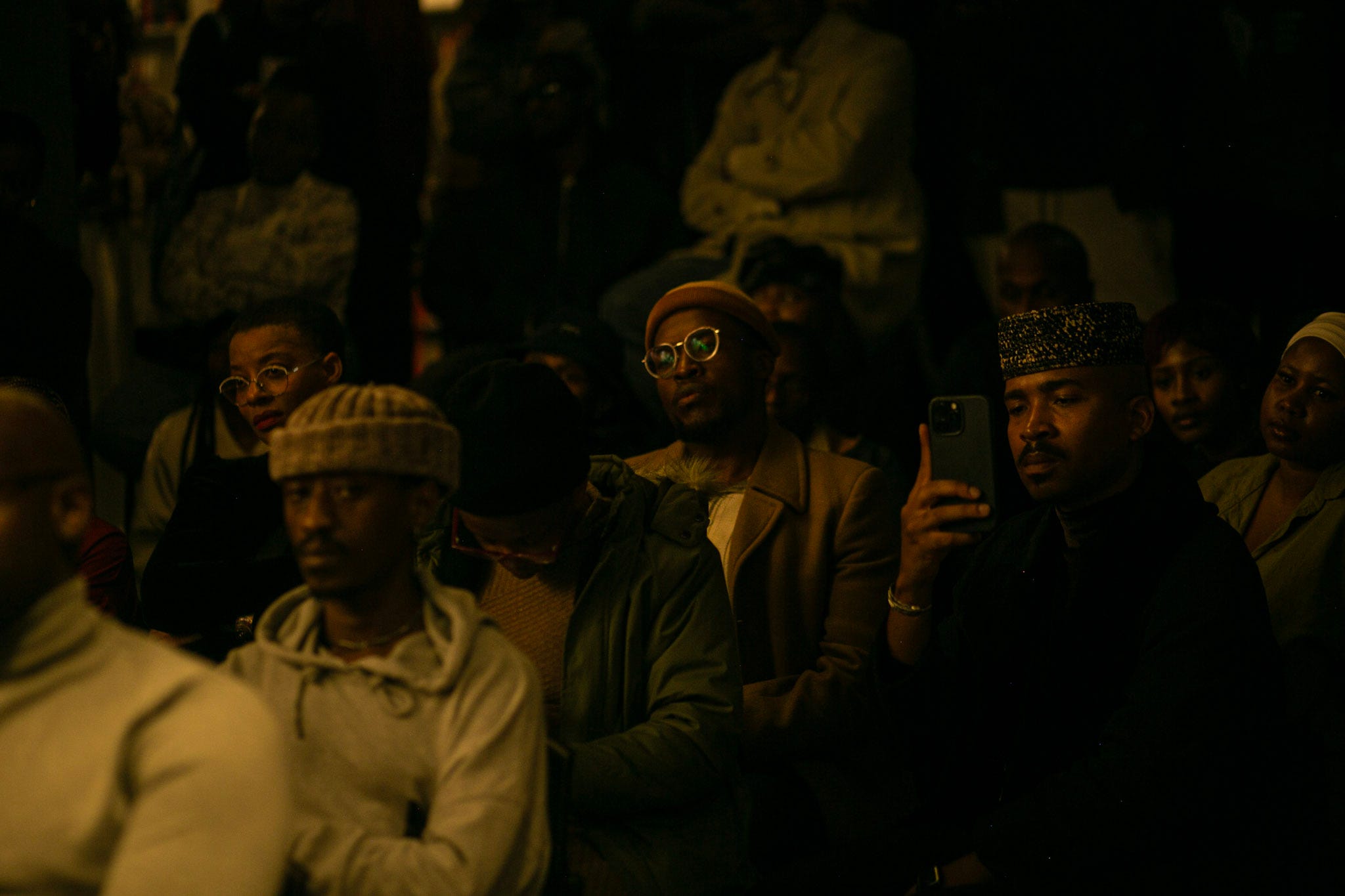
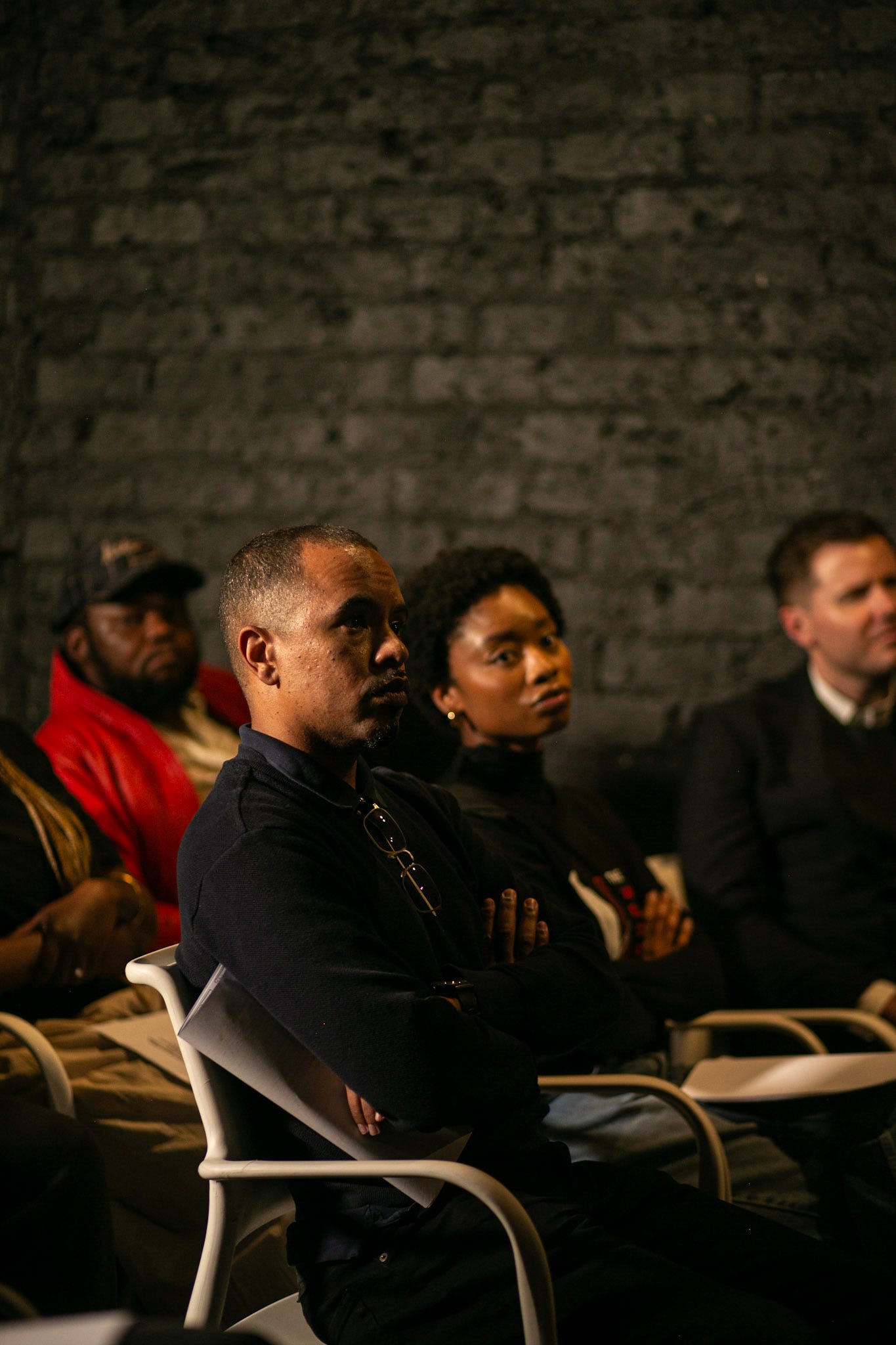
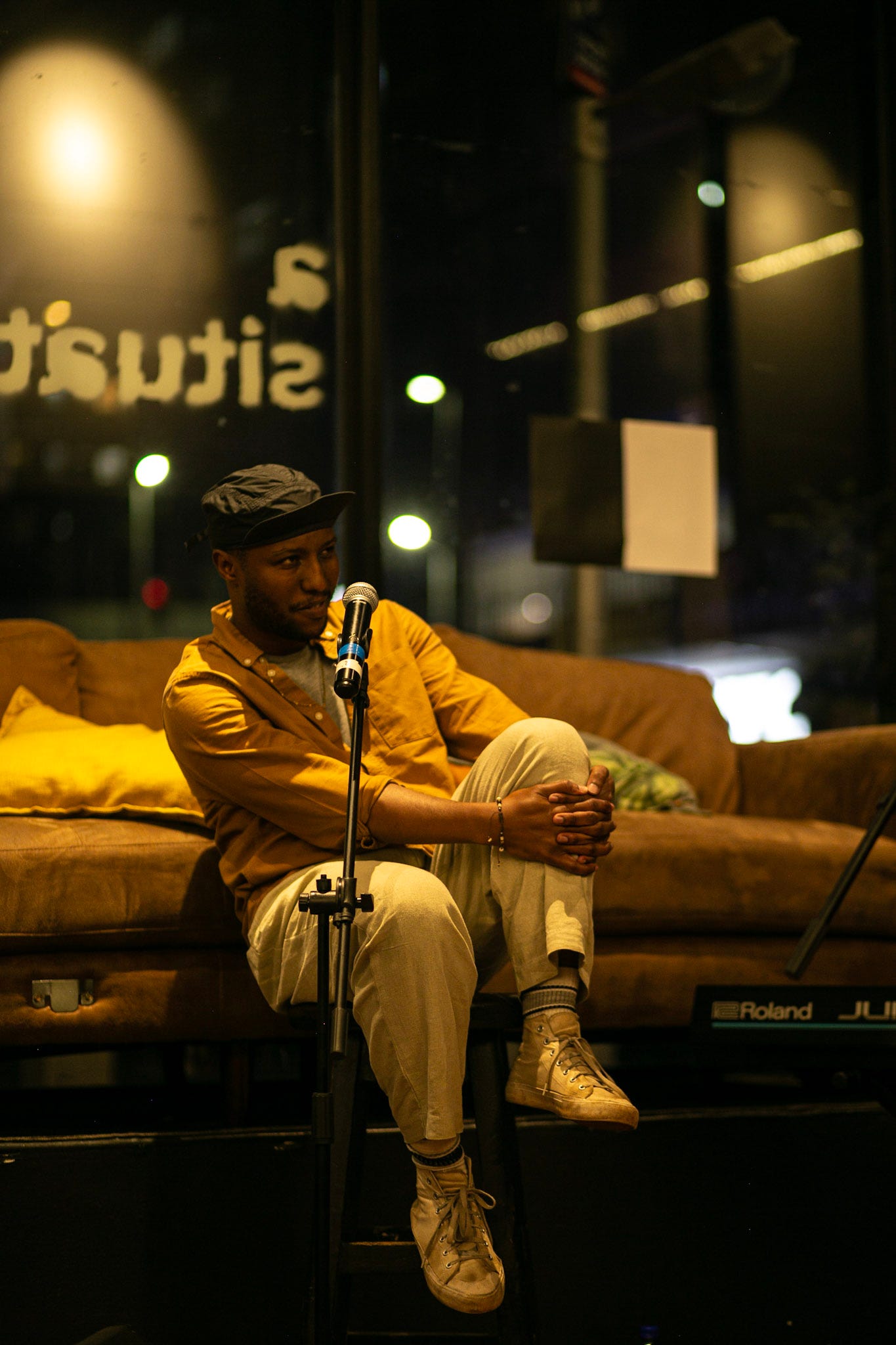
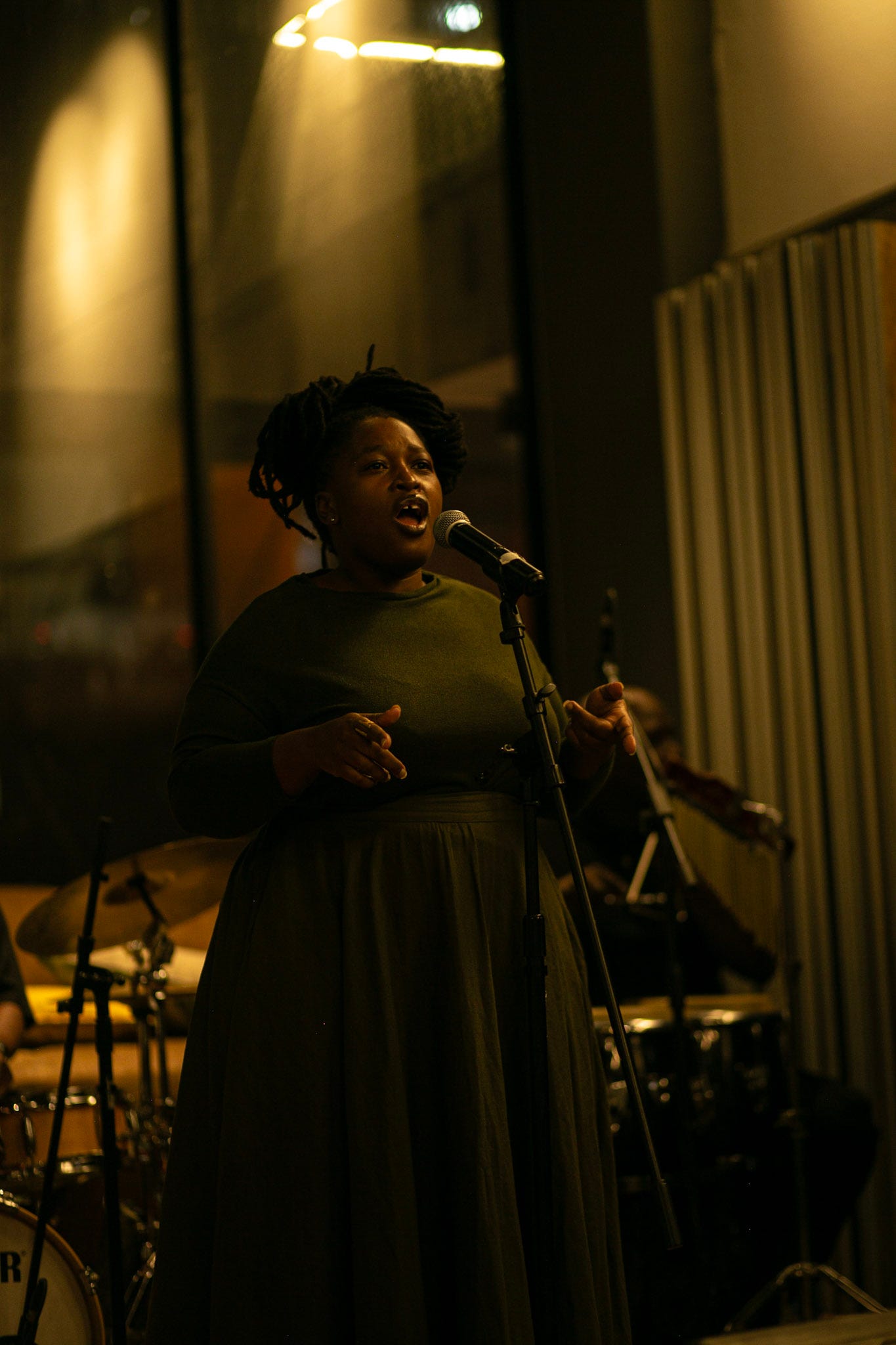
The following address was prepared for and delivered at the Gabrielle Goliath People’s Tribunal, held at The Forge, Braamfontein, Johannesburg, on 28 May 2026, conceived and organised by TheatreDuo & Co (Mahlatsi Mokgonyana and Billy Langa). I was invited to give evidence as one of the witnesses in the proceedings. The Tribunal was conceived and staged as a people’s theatre of justice — a deliberate and serious act of framing legal and constitutional questions through performance, testimony, and collective witness. It demanded to be answered in kind. The speech below is the address I gave, edited slightly.
This address builds on an earlier post, in which I set out the legal background to the Goliath v McKenzie litigation and what it reveals about the governance of South Africa’s Venice Biennale pavilion. While that analysis informed some of the broader discussion on the evening, my contribution to the Tribunal was offered as a separate engagement — responding not to the legal detail, but to the deeper constitutional and aesthetic questions the case raises about law, art, and what South Africa’s founding vision demands.
ADDRESS TO THE GABRIELLE GOLIATH PEOPLE’S TRIBUNAL
Madam Narrator, members of the Panel, Assembly —
Francois Lion-Cachet, of the Johannesburg Bar.
I appear before this Tribunal not merely as an advocate. I also appear as a legal and cultural scholar who has spent years studying, as part of my PhD in visual legal rhetoric, what is relevant to our gathering — and what the act of censorship, which we are probing, reveals about the law’s most elemental relationship with art, with space, and with the question of who is permitted to be seen, heard, and guarded.
Let me begin with a proposition that is not often acknowledged in legal discourse, but that is fundamental to it.
The courtroom is a stage.
Not metaphorically. I mean this precisely and theoretically. Law has always organised itself as a visual enterprise — a performance designed to produce, in the minds of those who witness it, an experience of authority, of legitimacy, of order. The robes. The raised bench. The ritual of rising when the judges enter. The architecture that compels you to look upward — toward the bench, toward power. This extends outside the court: the police or soldier’s uniform. Insignia. None of this is accidental. It is a carefully composed aesthetic regime — a distribution of what is visible, audible, thinkable, and speakable within the law’s domain. And that domain is society.
The French philosopher Jacques Rancière gives us the tools to name what is happening here. An aesthetic regime, in Rancière’s precise sense, is not merely a style. It is a mode of organising perception itself — determining what and who can appear before the community’s eyes, whose voice registers as legitimate speech, and who is assigned power or stripped of it.
Apartheid was not only a regime of discriminatory statutes. It was an aesthetic regime. The courtrooms, the spatial zoning, the heraldic imagery of sovereignty, the performance of adjudication from an elevated, distanced bench — all of this composed an integrated sensory architecture through which apartheid law made itself felt as a natural order of things. To appear before that law was already to be diminished by it. The court building told you so before a word was spoken.
To dismantle that order, then, required more than legislative repeal. It demanded a reconfiguration of the entire aesthetic regime — a redistribution of what was perceptible as law and justice. A redistribution of the sensible.
This is what the Constitutional Court of South Africa attempted. And this is what Minister McKenzie undid, ever so slightly, in a single bureaucratic letter.
Let me turn to a tree.
When the Constitutional Court was founded, its architects and jurists faced a choice about what symbol would stand for this new law, this new constitutional order. They rejected the blindfolded Lady Justice — that Western emblem of law’s detachment from the world, its disembedding from time, place, and African sovereignty. Instead, they chose something older, more grounded, and more honest about what justice actually requires.
They chose a tree. A tree in whose protective shade the members of the political community gather together, in dialogue, engaging in each other’s stories.
The principle of justice under a tree is not a decorative choice. It is a jurisprudential statement of the first order.
The tree invokes the nomos — the founding concept of law not as a set of texts delivered from above, but as an act of rooting, demarcating, of planting an order in a particular place, among particular people, at a particular moment in history. Granted, it also speaks to the act of land appropriation. And to competing demands on the same space.
In African constitutional and cosmological thought, the image of gathering under a tree to deliberate — what West African jurisprudence calls the palabre — encodes an entire philosophy of law: that justice is achieved not by detachment, but through presence; not through hierarchy, but through dialogue; not through the silencing of some voices in favour of others, but through (as I propose) eco-ubuntu — a developed understanding of the concept as an interconnectedness spanning beyond humans to all of the world. The law cannot escape from the spiritual.
The Constitutional Court building is a materialisation of this philosophy. It sits on the site of the Old Fort Prison — a place where the apartheid state incarcerated those it refused to recognise as full human beings. To build the highest court of constitutional democracy on that ground is itself an act of dissensus — Rancière’s term for the political act that ruptures the existing order of visibility, that insists on the appearance of those who were previously consigned to invisibility.
The art collection within that building, which I curated for some years, continues this work. It does not hang the portraits of judges. It does not celebrate the majesty of the law. It holds, instead, the work of artists who bore witness to atrocity, who recorded the faces of the disappeared, who refused to let what was done in the dark be forgotten in the light of the new dispensation. The art also advocates for and should imagine the world we want to move into.
Jürgen Schadeberg chartering a plane over Sharpeville to capture from the air the magnitude of what the state had done to its own people. Amos Miller’s rendering of Steve Biko’s face, reconstructed from international media reportage of his murder. Judith Mason’s Blue Dress — sewn from plastic bags, a monument to a woman, Phila Ndwandwe, executed and buried by the apartheid state. William Kentridge, who painted himself nude, exposed. Pitika Ntuli’s Gaza: Lest We Forget, a pile of bones asking, why war? Why bombs? Why massacres? Why?
These are not decorations. They are records. They are evidence. And their placement in the Constitutional Court is a claim: that law must remain answerable to those it has failed.
This, following Rancière, is what resistance art does. It recalibrates. It disrupts the consensus — the comfortable agreement that what has been done is past, that the order now in place is just, that the distribution of the visible is settled. Resistance art insists on the return of what was made invisible. It insists that the distribution of the sensible is always a political act, and therefore always contestable.
Stacey Vorster, one of the scholars who has closely studied this collection, writes that art in a court of law can either reinforce or disrupt consensus about justice, institutional authority, and rights. The Constitutional Court’s collection, at its best, performs the latter function. It enacts dangerous curating.
It says, from within the institution of law itself: we are not yet done. The promise of this Constitution has not yet been fully redeemed. Look at these faces. Look at this tree, under attack at its roots. The struggle continues. For humans and for the natural environment.
Which brings me to Venice. And to this Tribunal.
Eliza Garnsey, in her study of the Constitutional Court and the South African Venice Biennale pavilion, makes an observation that should be read as legal argument, as visual jurisprudence. She demonstrates that these two sites — the Constitutional Court and the national pavilion — are continuous. Both are places where South Africa constructs and projects its post-apartheid self-image. Both are lawscapes — the term Andreas Philippopoulos-Mihalopoulos gives to the immersive, inescapable field of legal being that law and space produce together. Both the Court and Venice are stages on which the aesthetic and the legal are inseparable.
Gabrielle Goliath’s Elegy was selected, by an independent curatorial process, to occupy that stage. It is a work of mourning and witness — which is to say, it is precisely what resistance art does: it insists on the visibility of those the powerful wish to render invisible. A minister looked at that work and saw a threat. He saw a distribution of the sensible that did not suit Zionist interests — and he intervened.
The court that heard this matter looked at that act and saw a private contractual dispute, and decided the issue on a technicality. Its judgment did not seek to carry the true weight of what is at stake.
This Tribunal has a different intent.
This Tribunal is convened in the tradition of the palabre — the gathering under the tree to deliberate collectively on what justice requires, not in the narrow corridors of procedural law, but in the full breadth of our shared moral existence. It is itself an act of dissensus — an insistence that the distribution of who may speak, who may witness, and whose mourning counts as legitimate speech, is not settled.
The pavilion is empty. But the Assembly is not.
I place this on the record.

Deeply thought provoking. Love the calmness of the writing, whilst delivering such profound and vast subject matter
Brilliant. Beautiful. Integral.